Seneca once wrote: “We suffer more often in imagination than in reality.” This is one of the most powerful Stoic quotes I know and it shines in its simplicity. Often when we suffer, it is because we choose to let our imagination run wild. We are fearful for events that didn’t happen, or are very unlikely to happen. Or we are stuck in a loop of thoughts about past events and how things could have gone different.
The Overthinking Mind
When I was younger I was a big overthinker. I would imagine a thousand different ways for a future scenario, trying to control that which I could not. I would have thought of every contingency, every minute detail of how I wanted a conversation to go, or how to respond if the other person would say X, or Y. I would have a lot of trouble sleeping, too, because of it. Especially if there was an important meeting coming up with somebody and I wanted to make sure I came out okay out of it.
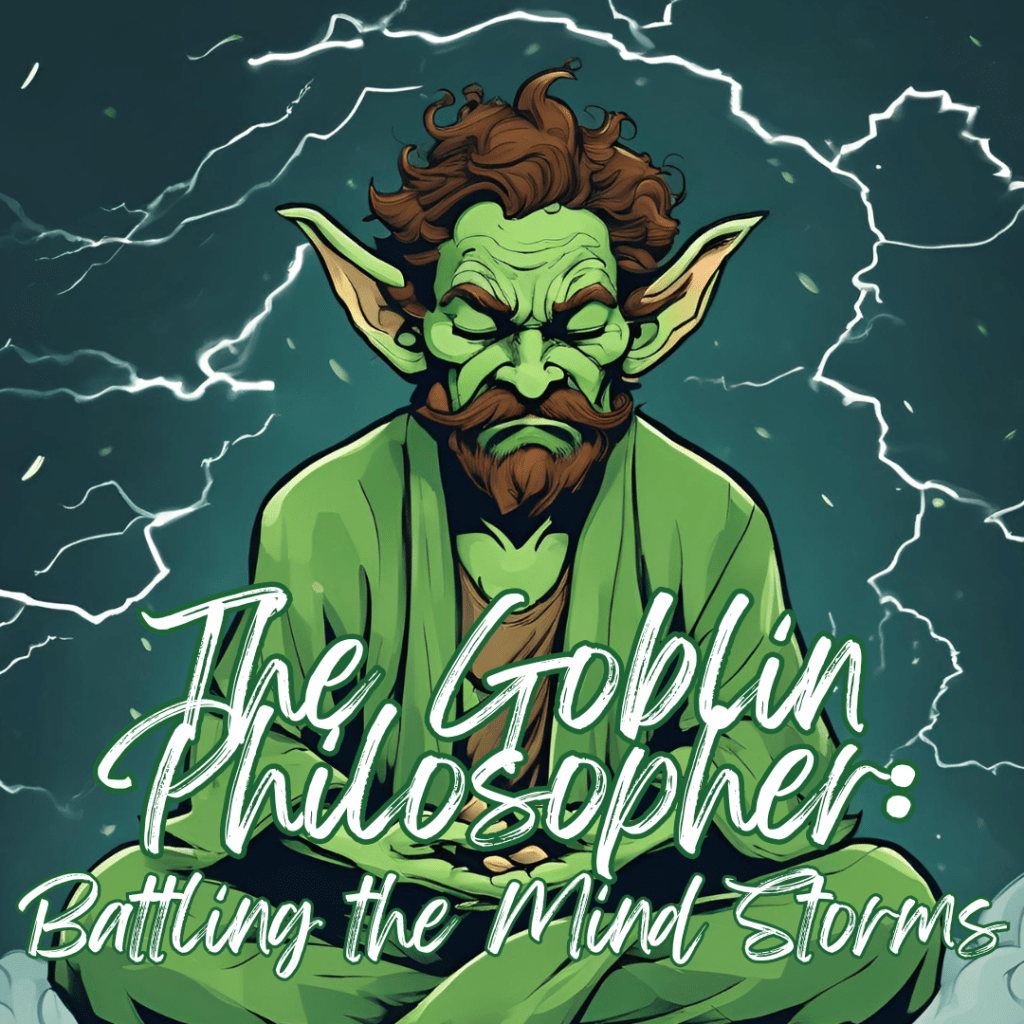
The problem with overthinking is that you can’t turn it off, just like that. The good news is, that you can train yourself not to do it. Usually overthinking is a symptom that you are in survival mode. You’re always hyper alert and that’s why you try to reduce the chances of things going the wrong way for yourself. And then you need to have some sort of plan for every possible outcome of a future event. So you think, and then you think some more. Ad infinitum. Over and over again, until you feel too tired to think. It’s truly stressful when I think back on how I used to be! But it also shows what a long path I walked to get where I am today.
Derailing your train of (continuous) thought
While I don’t want to sound like a broken record, mindful meditation can be a tremendous help to train your mind from not paying attention to all the thoughts you have. If you’re an overthinker a lot of them will not be constructive and will in fact be a big hindrance to yourself. Being able to let go of thoughts and actively noticing when you’re thinking will help to reduce overthinking.
Another thing that really helped me was reflecting on how things went versus how I had thought about it. One thing that I started to notice was that the event that I had been so anxious about wasn’t as bad as I thought it would be. The person I needed to meet with wasn’t angry, or bothered by something I had or hadn’t done at all. Realizing that the reality is different from the dozens of different scenarios in my head was an eye opener. And sure, sometimes things went exactly as I had imagined, but a lot of the times it went a whole lot better than I expected them.

Does that mean that we shouldn’t anticipate every single outcome for an important meeting or conversation with someone important to us? Well, a lot can be said for both sides. Being prepared is a good thing, as long as it’s not to the point of being overprepared. But not spending valuable time and energy on overthinking is both the healthiest and most logical choice. As stated before, when we overthink, we have a tendency to make things much worse than they actually are, and we suffer because of it. Would it not make sense to let go of our unproductive thoughts, then, and focus on something more useful?
Let the past and future be
We only have the here and now. The past is gone and the future is constantly in motion. Certainly, we can learn from our past and we can make plans for our future, but if we dwell too much on either of those, we stop living in the present, which is all we really have at this moment. If we can learn to be content with ourselves in this moment, nothing can truly stand in our way and you’ll notice that life feels more peaceful, when we stop worrying about things outside of our control. Let the past be the past and whatever tomorrow brings, be there with open arms and open eyes.
Thank you so much for reading this blog. I hope you’ve enjoyed it!
Have a good one!
Jeffrey
 JeffreyDebris.Com